Yearn to Wander
Puget Sound
Puget Sound land forms and the resulting weather were fascinating.
They were created by glaciation, volcanism, and tectonic shifts, and affect local weather in interesting ways.
As you may recall from high school geography, Puget Sound sits in the northwest corner of Washington state in the northwest corner of the US. It also is immediately east and south of Vancouver Island, where we've spent time recently.
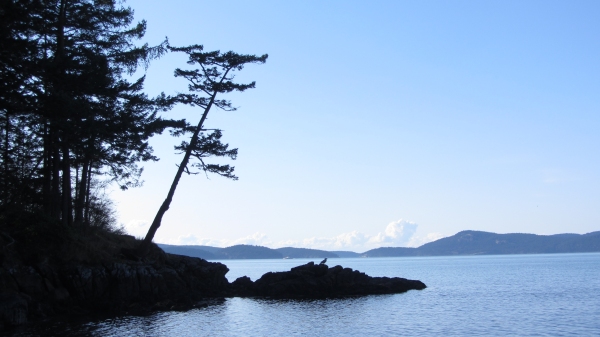
Twelve thousand years ago, the Vashon Glaciers carved the Sound and receded leaving the land covered with glacial debris. Long before that and continuing into the present, several faults move in various directions grinding and building mountains. These events and their results have sculpted a beautiful region of islands, mountains, valleys, waterways, which support milennia old ways of life.
During two weeks near Carnation, southeast of Seattle near Redmond, home of Microsoft, in the foothills of the Cascades and the Snoqualmie River Valley, the rain fell seemingly nonstop, but the sun also shone nearly every day. Sometimes we had three seasons in one day: snow, hail, rain, and sun.
Perhaps it was the time of year, but more likely it was the prevailing weather which came off the Pacific. The Olympic Mountains split the prevailing weather, and Carnation rested in the Convergence Zone, thus the rain. Later we went to Anacortes, northwest of Seattle, where Mt. Olympus, the highest peak in the Olympics, created a rain shadow. That brought daily sun and much less rain. While the entire area's climate is classified as a northern temperate rainforest, the rain-shadow areas are much drier with much less moss growing on trees and roofs and hanging from branches.
A visit to San Juan Island, whose major 'city' is Friday Harbor, proved even drier. Prairie agriculture thrived along with some sheep farming and a few organic fruit and vegetable farms, though different from the Midwest agriculture. Berry farms, orchards, and vineyards were common, as were the wild invasive blackberry, English Ivy, and Scotch Broom, all of which volunteers spend many hours trying to eradicate.
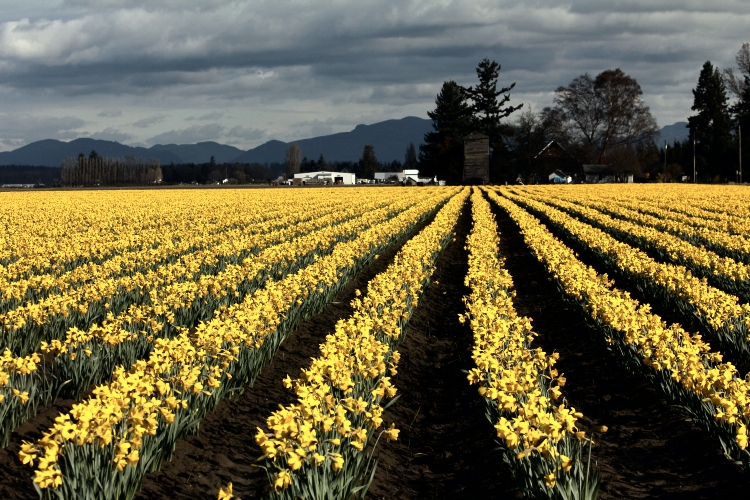
North of Seattle, around Mount Vernon, dozens of bulb farms, especially tulip farms, add to the color of the area. We missed the annual tulip festival held every April, but did enjoy fields of bright yellow Daffodils.
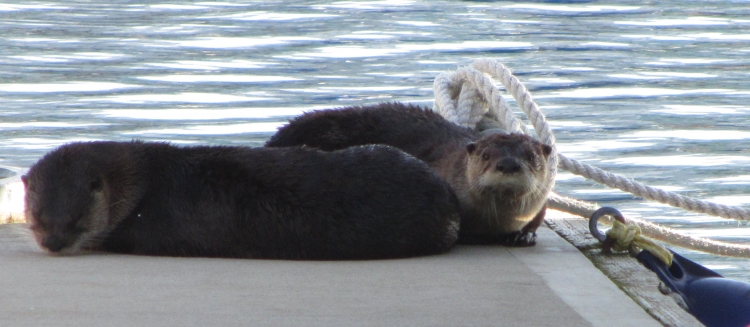
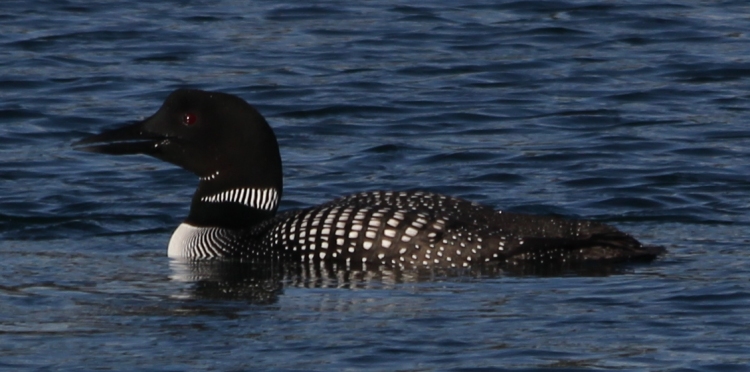
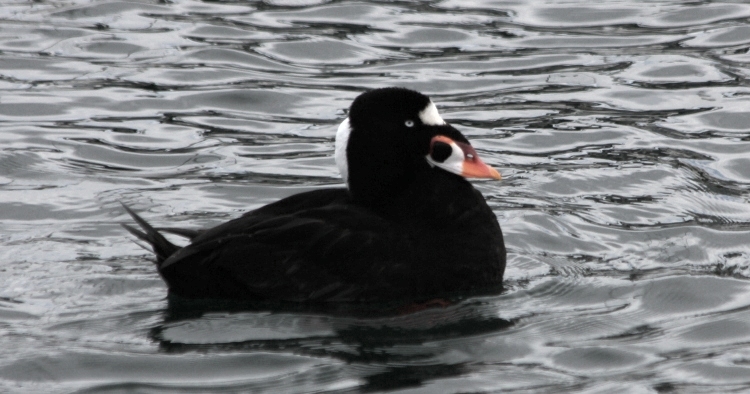
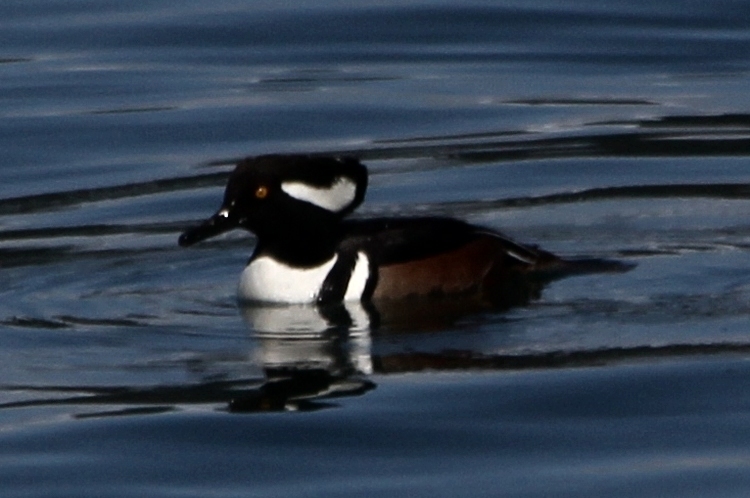
All in all Puget Sound was an interesting, enjoyable area that is full of nature (good birding!) and a fun geology lesson.
Several of the next pages are devoted to snippets of our visit.
As you may recall from high school geography, Puget Sound sits in the northwest corner of Washington state in the northwest corner of the US. It also is immediately east and south of Vancouver Island, where we've spent time recently.
Twelve thousand years ago, the Vashon Glaciers carved the Sound and receded leaving the land covered with glacial debris. Long before that and continuing into the present, several faults move in various directions grinding and building mountains. These events and their results have sculpted a beautiful region of islands, mountains, valleys, waterways, which support milennia old ways of life.
During two weeks near Carnation, southeast of Seattle near Redmond, home of Microsoft, in the foothills of the Cascades and the Snoqualmie River Valley, the rain fell seemingly nonstop, but the sun also shone nearly every day. Sometimes we had three seasons in one day: snow, hail, rain, and sun.
Perhaps it was the time of year, but more likely it was the prevailing weather which came off the Pacific. The Olympic Mountains split the prevailing weather, and Carnation rested in the Convergence Zone, thus the rain. Later we went to Anacortes, northwest of Seattle, where Mt. Olympus, the highest peak in the Olympics, created a rain shadow. That brought daily sun and much less rain. While the entire area's climate is classified as a northern temperate rainforest, the rain-shadow areas are much drier with much less moss growing on trees and roofs and hanging from branches.
A visit to San Juan Island, whose major 'city' is Friday Harbor, proved even drier. Prairie agriculture thrived along with some sheep farming and a few organic fruit and vegetable farms, though different from the Midwest agriculture. Berry farms, orchards, and vineyards were common, as were the wild invasive blackberry, English Ivy, and Scotch Broom, all of which volunteers spend many hours trying to eradicate.
North of Seattle, around Mount Vernon, dozens of bulb farms, especially tulip farms, add to the color of the area. We missed the annual tulip festival held every April, but did enjoy fields of bright yellow Daffodils.
All in all Puget Sound was an interesting, enjoyable area that is full of nature (good birding!) and a fun geology lesson.
Several of the next pages are devoted to snippets of our visit.
ms
2012-04-01
Copyright © 2010-2019 Marie N. Sprandel, All rights reserved.
Contact us at:
info@yearntowander.com